

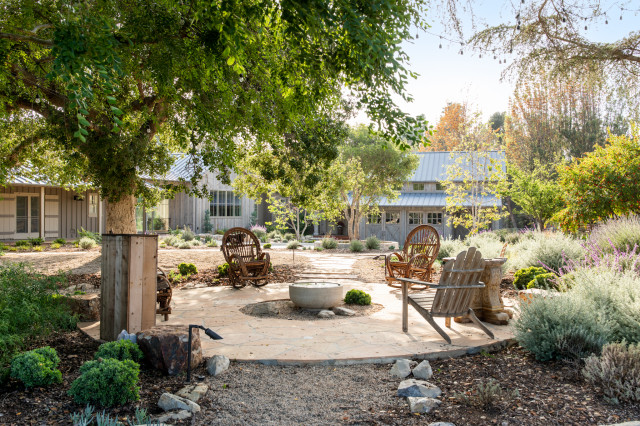
Creating an Eco-Friendly Haven: Embracing Sustainability in House Landscaping
In the world of house landscaping, sustainability is not just a buzzword—it’s a guiding principle that promotes environmental stewardship and long-term well-being. By integrating sustainable practices into your landscaping efforts, you can create a beautiful outdoor space that minimizes environmental impact, conserves resources, and supports a healthier planet. In this comprehensive guide, we will explore the concept of sustainability in landscaping and provide practical tips to help you design and maintain an eco-friendly landscape that harmonizes with nature.
1. Understanding Sustainability in Landscaping
Sustainability in landscaping involves making conscious choices to minimize environmental impact while creating and maintaining outdoor spaces. It encompasses a range of practices that promote conservation, reduce waste, and enhance ecological balance. By embracing sustainability in your landscape design, you can contribute to a healthier ecosystem and create a more resilient outdoor environment.
2. Water Conservation
Water is a precious resource, and conserving it is essential for sustainable landscaping. Consider the following water conservation practices:
- Efficient Irrigation: Install an efficient irrigation system that delivers water directly to plants’ root zones, minimizing water waste. Drip irrigation, micro-sprinklers, and smart irrigation controllers can help optimize water usage by adjusting irrigation schedules based on weather conditions and plant needs.
- Mulching: Apply a layer of organic mulch around plants and in garden beds to retain moisture, suppress weed growth, and regulate soil temperature. Mulch also improves soil health and reduces the need for watering.
- Rainwater Harvesting: Collect and store rainwater from rooftops using rain barrels or underground cisterns. Use this harvested water for irrigating your landscape, reducing the demand for freshwater sources.
- Xeriscaping: Consider xeriscaping techniques, which involve designing landscapes that require minimal water. Choose native plants adapted to your region’s climate and soil conditions, as they are typically more drought-tolerant and require less watering.
3. Plant Selection and Biodiversity
Plant selection plays a crucial role in sustainable landscaping practices. Consider the following strategies to enhance biodiversity and support local ecosystems:
- Native Plants: Incorporate native plants into your landscape design. Native plants are well adapted to the local climate, require less water, and provide habitat for native wildlife. They also promote biodiversity and help maintain ecological balance.
- Pollinator-Friendly Gardens: Create gardens that attract pollinators, such as bees, butterflies, and birds. Choose nectar-rich flowers and provide nesting habitats and water sources. Pollinators play a vital role in plant reproduction and are essential for healthy ecosystems.
- Edible Gardens: Consider growing your own fruits, vegetables, and herbs. Edible gardens not only provide fresh, organic produce but also reduce the environmental impact associated with transporting and packaging food.
- Avoid Invasive Species: Research and avoid planting invasive species that can outcompete and displace native plants, leading to ecosystem degradation. Invasive plants can negatively impact biodiversity and disrupt natural habitats.
4. Soil Health and Conservation
Maintaining healthy soil is essential for sustainable landscaping practices. Consider the following soil conservation techniques:
- Composting: Start a composting system to recycle organic waste from your garden and kitchen. Compost enriches the soil, improves its structure, and reduces the need for synthetic fertilizers. It also reduces waste sent to landfills.
- Soil Amendments: Use organic amendments such as compost, manure, or leaf litter to improve soil fertility and structure. These amendments increase water-holding capacity, promote nutrient availability, and enhance plant health.
- Avoid Overwatering: Overwatering not only wastes water but also leaches nutrients from the soil and can lead to plant stress and disease. Use proper watering techniques, such as deep watering, to encourage deep root growth and minimize water runoff.
5. Energy Efficiency in Landscape Design
Energy efficiency is an essential aspect of sustainable landscaping. Consider the following strategies to reduce energy consumption:
- Shade and Windbreaks: Planting trees strategically around your house can provide shade in the summer, reducing the need for cooling, while acting as windbreaks in the winter, reducing heat loss. This natural climate control can significantly reduce energy usage.
- Green Roofs and Walls: Incorporate green roofs or walls into your landscape design. These features help insulate buildings, reduce energy needs for heating and cooling, and mitigate the urban heat island effect.
- Proper Plant Placement: Consider the sun and wind patterns in your landscape when placing plants. Planting deciduous trees on the south side of your house can provide shade in the summer while allowing sunlight to warm your home in the winter.
- Efficient Outdoor Lighting: Use energy-efficient outdoor lighting fixtures, such as LED lights, and install timers or motion sensors to reduce energy consumption. Properly directed lighting can enhance safety and security while minimizing light pollution.
Conclusion
Sustainability in landscaping is an investment in the health of our planet and the well-being of future generations. By incorporating water conservation practices, selecting native plants, supporting biodiversity, nurturing healthy soil, and embracing energy-efficient design, you can create a landscape that is both visually stunning and environmentally responsible. Let sustainability be the guiding principle in your landscaping endeavors, and together, we can create a greener and more sustainable future for our houses and our planet.
