

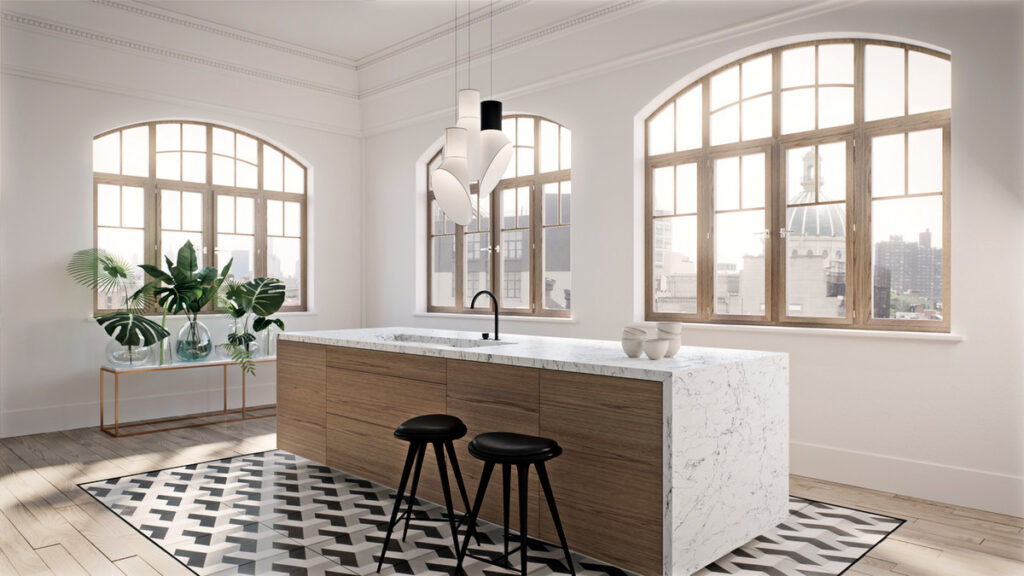
Design trends come and go, but few combinations have the lasting appeal of white cabinets with white countertops. This pairing has become a cornerstone of modern interior design, loved for its clean aesthetic, versatility, and ability to make any space feel open and inviting. Whether you’re designing a sleek contemporary kitchen, a cozy farmhouse space, or a minimalistic bathroom, white-on-white surfaces create an atmosphere that exudes both simplicity and sophistication. The timeless beauty of white cabinets with white countertops lies in their adaptability—they seamlessly blend with any style, color palette, or texture while maintaining a polished and cohesive look.
The Allure of an All-White Interior
The visual impact of white cabinets with white countertops goes beyond their striking appearance. This color combination has a transformative effect on interiors, enhancing light, space, and mood. White reflects natural and artificial light, creating an airy and expansive feeling that makes even small rooms appear larger. This quality makes it especially ideal for compact kitchens or bathrooms, where brightness and openness are highly valued.
One of the most appealing aspects of an all-white space is its sense of purity and calm. White surfaces evoke cleanliness and order, promoting a serene environment that feels both fresh and timeless. This emotional quality makes white an enduring favorite for homeowners who want a space that feels peaceful yet refined.
Another advantage is the flexibility white offers as a design foundation. With white cabinets and white countertops as a base, you can easily transform the mood of your space by introducing new accent colors, hardware, or décor. Whether you want to highlight natural wood tones, metallic finishes, or bold backsplash designs, white serves as the perfect backdrop. It allows other design elements to shine while maintaining a cohesive and balanced aesthetic.
For those who value versatility, white-on-white interiors offer endless possibilities. You can create a minimalist Scandinavian kitchen with clean lines and subtle texture, or a glamorous modern space with high-gloss finishes and dramatic lighting. The adaptability of white cabinets with white countertops ensures that the design remains relevant even as trends evolve.
Choosing the Right Materials and Finishes
While the color palette is simple, the choice of materials and finishes for white cabinets with white countertops plays a crucial role in defining the overall look and feel of the space. Each surface and texture contributes to the atmosphere, whether you’re aiming for warmth, luxury, or a modern edge.
Cabinets come in a wide range of finishes, from matte and satin to high-gloss. Matte finishes create a softer, more natural appearance that pairs beautifully with rustic or transitional interiors. They absorb light rather than reflect it, adding depth and warmth to the space. Glossy finishes, on the other hand, create a sleek, reflective surface that enhances brightness and gives the room a contemporary feel. The choice between matte and gloss often depends on the desired mood and the amount of natural light available.
For countertops, materials like quartz, marble, and granite are popular choices for achieving a sophisticated white look. Quartz is particularly favored for its durability and uniform color, offering a pristine appearance with minimal maintenance. White marble, known for its luxurious veining, brings elegance and character to the space. Granite, while more natural and varied, adds organic texture that complements the clean lines of white cabinetry.
To prevent the space from feeling flat or sterile, incorporating subtle variations in texture and tone is key. For example, pairing smooth quartz countertops with shaker-style cabinets creates visual interest through contrast. Likewise, choosing countertops with soft gray veining or faint speckles can introduce depth without straying from the white palette.
Hardware and fixtures also play a defining role. Brushed nickel, matte black, or brass handles and faucets can dramatically alter the tone of the design. For a classic look, opt for polished chrome or stainless steel; for a bold modern edge, matte black creates stunning contrast against the white backdrop. The careful selection of these details allows you to personalize the design while keeping the core color scheme intact.
Lighting is another important element when designing with white cabinets and white countertops. Under-cabinet LED lighting enhances depth and highlights the texture of the surfaces, while pendant lighting adds warmth and visual interest. Warm-toned bulbs can soften the starkness of white, creating a cozy ambiance that feels welcoming rather than clinical.
Creating Balance and Warmth in a White-on-White Space
One common concern with white-on-white interiors is that they may appear too stark or impersonal. The key to avoiding this lies in layering textures, tones, and complementary materials that add warmth and personality without disrupting the color harmony.
Natural materials like wood and stone pair beautifully with white cabinets and white countertops. A light oak or walnut floor introduces organic warmth, grounding the space while adding a touch of natural contrast. Similarly, a textured backsplash—such as white subway tile, marble mosaic, or patterned ceramic—adds depth and movement to the design. These subtle details bring life and dimension to an otherwise monochromatic palette.
Accents and décor also play a vital role in creating a balanced white-on-white space. Incorporating plants, soft fabrics, and natural textures can break up the uniformity while keeping the look cohesive. Greenery introduces a refreshing pop of color that complements the crispness of white surfaces. Meanwhile, woven baskets, linen curtains, or ceramic vases add tactile contrast that enhances visual warmth.
For homeowners who prefer a modern minimalist aesthetic, contrast can be introduced through strategic lighting and shadow. The interplay of light and dark elements—such as black window frames, pendant lights, or dark flooring—can anchor the design without overwhelming its clean, white essence.
Color temperature also affects how the space feels. Cool whites tend to lean blue or gray, ideal for modern or coastal themes. Warm whites, with hints of cream or beige, create a softer and more inviting ambiance suited for traditional or rustic spaces. Combining both cool and warm whites in a single design adds complexity and interest while maintaining harmony.
Designing for Longevity with White Cabinets and Countertops
White cabinets with white countertops are more than a design trend—they are a timeless investment. This combination not only enhances visual appeal but also increases the long-term value of your home. Buyers often perceive white kitchens and bathrooms as clean, modern, and ready for customization, making them attractive in the real estate market.
Maintenance plays a role in preserving this pristine look. Regular cleaning with non-abrasive products ensures that the surfaces remain bright and spotless. Quartz and other engineered stones are particularly advantageous for busy households, as they resist staining and require minimal upkeep. Periodic polishing or sealing can further extend the life and luster of the materials.
The enduring appeal of white cabinets and white countertops also lies in their adaptability. As design preferences evolve, it’s easy to refresh the space by updating accessories, paint colors, or hardware. A neutral foundation allows for creative flexibility—you can shift from coastal chic to contemporary minimalism with just a few thoughtful changes.
Ultimately, the combination of white cabinets with white countertops represents more than just aesthetic beauty; it reflects balance, light, and timeless sophistication. Whether in a compact urban kitchen or a spacious open-concept home, this pairing creates a lasting impression of harmony and elegance. It embodies the idea that true design excellence lies not in excess, but in simplicity executed to perfection.
