

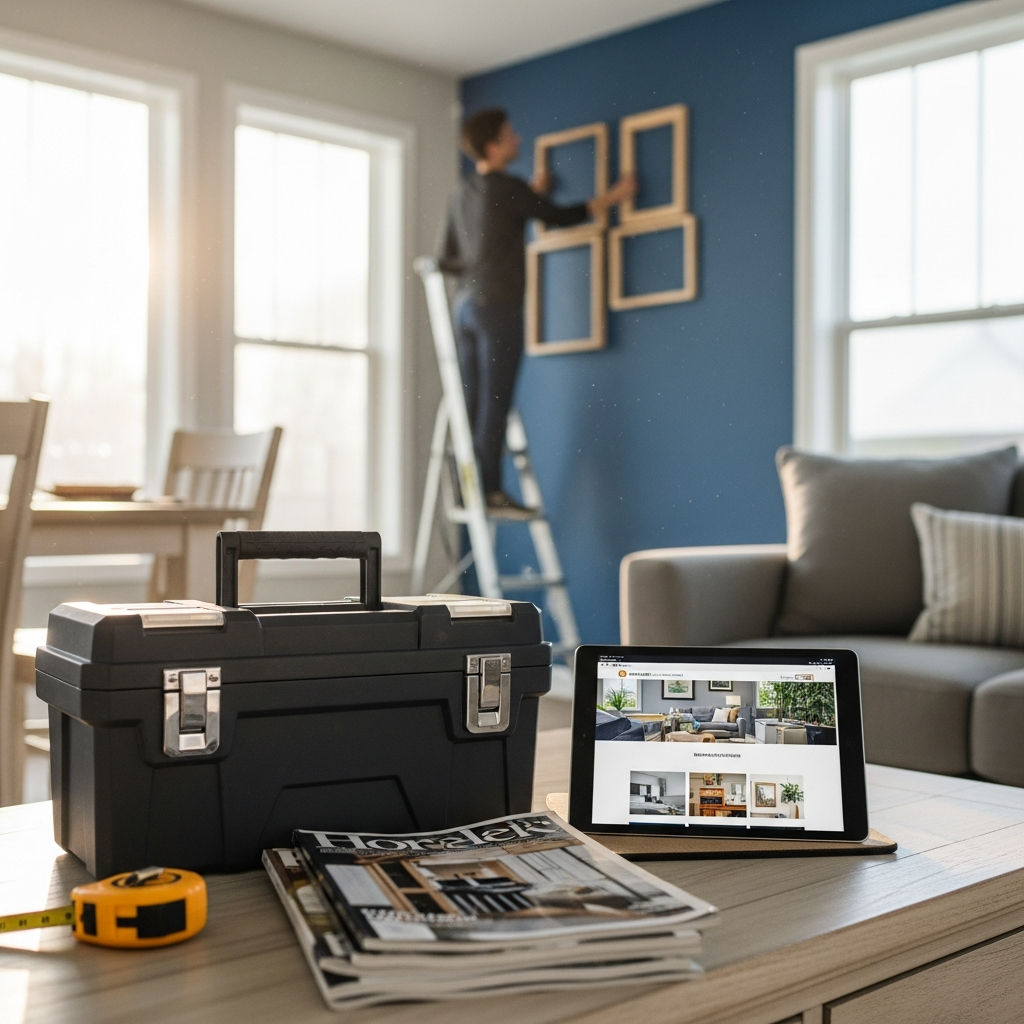
13 Effective Tips to Improve Your Home Improvement Projects
Home improvement is more than just a way to increase the resale value of your property; it is about creating a space that reflects your personality and meets your lifestyle needs. Whether you are planning a full-scale renovation or looking for small weekend projects, the way you approach home improvement determines the success of the outcome. Many homeowners dive into projects without a clear strategy, leading to blown budgets and unfinished rooms.
To ensure your next project is a success, we have compiled a list of 13 effective tips to improve your home improvement journey. These strategies cover everything from initial planning to the finishing touches, helping you save money, reduce stress, and achieve professional-grade results.
1. Start with a Detailed Master Plan
The biggest mistake in home improvement is starting without a comprehensive plan. Before you pick up a hammer, define the scope of your project. Are you looking for cosmetic updates or structural changes? A master plan should include design inspiration, a list of materials, and a realistic timeline. Having a roadmap prevents “scope creep,” where a simple bathroom update suddenly turns into a full plumbing overhaul because you didn’t anticipate the underlying issues.
2. Establish a Strict Budget (and a Contingency Fund)
Financial stress is the leading cause of project abandonment. Calculate your total costs, including permits, labor, and materials. Once you have a final number, add a 15% to 20% contingency fund. Unexpected issues—such as mold behind a wall or outdated wiring—are common in home improvement. Having a financial buffer ensures that these surprises don’t halt your progress.
3. Focus on High-ROI Upgrades
If you are improving your home with the intention of selling in the future, focus on projects with the highest Return on Investment (ROI). Historically, these include:
- Minor kitchen remodels (replacing cabinet fronts and hardware).
- Updating the front entry (new door or fresh paint).
- Adding a deck or patio space.
- Replacing old windows with energy-efficient models.
4. Master the Art of Lighting
Lighting is one of the most transformative yet overlooked aspects of home improvement. A poorly lit room can feel small and dingy, regardless of how expensive the furniture is. To improve your home’s ambiance, use a “layered” lighting approach:
- Ambient Lighting: The main source of light (ceiling fixtures).
- Task Lighting: Focused light for activities (under-cabinet lights in kitchens or reading lamps).
- Accent Lighting: Lights used to highlight architectural features or artwork.
5. Don’t Underestimate the Power of Paint
Painting is arguably the most cost-effective home improvement tip. A fresh coat of paint can instantly modernize a room. To make your home feel larger and more cohesive, stick to a neutral color palette. Shades of “greige,” soft whites, and light blues are popular because they allow potential buyers to envision their own belongings in the space. Remember to invest in high-quality painters’ tape and rollers for a professional finish.
6. Enhance Your Curb Appeal
First impressions matter. You don’t need a professional landscaper to improve your home’s exterior. Simple tasks can make a world of difference:
- Power wash the driveway and siding.
- Trim overgrown bushes and add fresh mulch to flower beds.
- Replace old house numbers with modern, high-visibility fonts.
- Install solar-powered path lights.
7. Invest in Quality Tools
If you plan on taking the DIY route, do not skimp on tools. Cheap tools often lead to poor craftsmanship and can even be dangerous. You don’t need to buy everything at once; many home improvement stores offer tool rentals for specialized items like floor sanders or tile saws. For basic projects, ensure you have a high-quality cordless drill, a level, and a versatile miter saw.

8. Prioritize Energy Efficiency
Modernizing your home’s efficiency is a smart move for your wallet and the environment. Consider replacing old insulation in the attic, sealing gaps around doors and windows with weatherstripping, and installing a smart thermostat. These improvements reduce monthly utility bills and are a major selling point for tech-savvy buyers.
9. Declutter and Optimize Storage
Sometimes, home improvement isn’t about adding more space; it’s about using the space you have more effectively. Improving your home’s storage can make it feel significantly larger. Consider installing floating shelves, utilizing under-stair storage, or adding custom organizers to your closets. A clutter-free home looks cleaner, more organized, and more expensive.
10. Know When to Hire a Professional
DIY culture is great, but knowing your limits is essential. Some tasks should always be left to licensed professionals to ensure safety and code compliance. These typically include:
- Major electrical wiring.
- Main plumbing line alterations.
- Structural wall removals (load-bearing walls).
- Roofing replacements.
Hiring a pro for these tasks might cost more upfront, but it saves you from costly repairs and legal headaches down the line.
11. Update Cabinet Hardware and Fixtures
You don’t always need to replace your entire kitchen or bathroom to see an improvement. Simply swapping out dated, brass cabinet handles for matte black or brushed nickel alternatives can change the entire aesthetic of the room. Similarly, replacing a standard showerhead with a rainfall model or updating a kitchen faucet adds a touch of luxury for a fraction of the cost of a full renovation.
12. Focus on Flooring
Flooring occupies a large visual area of your home. If your carpets are stained or your linoleum is peeling, it brings down the quality of the entire house. Luxury Vinyl Plank (LVP) has become a favorite in home improvement because it is waterproof, durable, and mimics the look of real hardwood. If you have original hardwood floors, consider refinishing them rather than replacing them to maintain the home’s character.
13. Practice Regular Preventative Maintenance
The best way to “improve” your home improvement is to prevent things from breaking in the first place. Create a seasonal maintenance checklist. Clean your gutters every fall, change your HVAC filters every three months, and check for leaks under sinks regularly. By maintaining the integrity of your home, you ensure that your future renovation projects are focused on aesthetics and upgrades rather than emergency repairs.
Conclusion
Improving your home is a rewarding journey that requires a balance of creativity, budgeting, and practical skills. By following these 13 tips, you can transform your living space into a more functional, beautiful, and valuable asset. Remember that the best home improvements are those that make your daily life easier while protecting your long-term investment. Start small, plan thoroughly, and don’t be afraid to ask for professional help when the job calls for it.
